le-ge 
[en]
[zh]
gnuC2
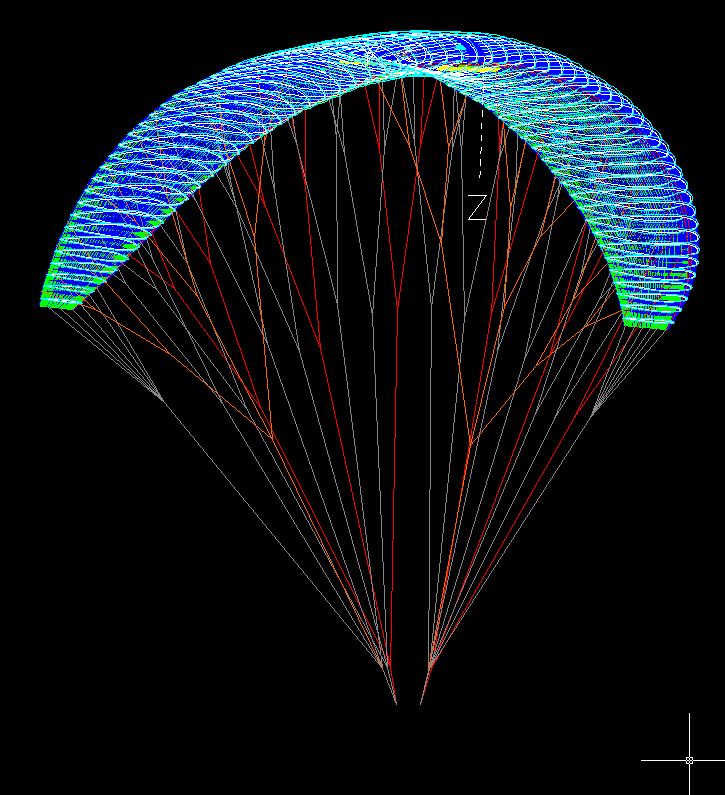
z
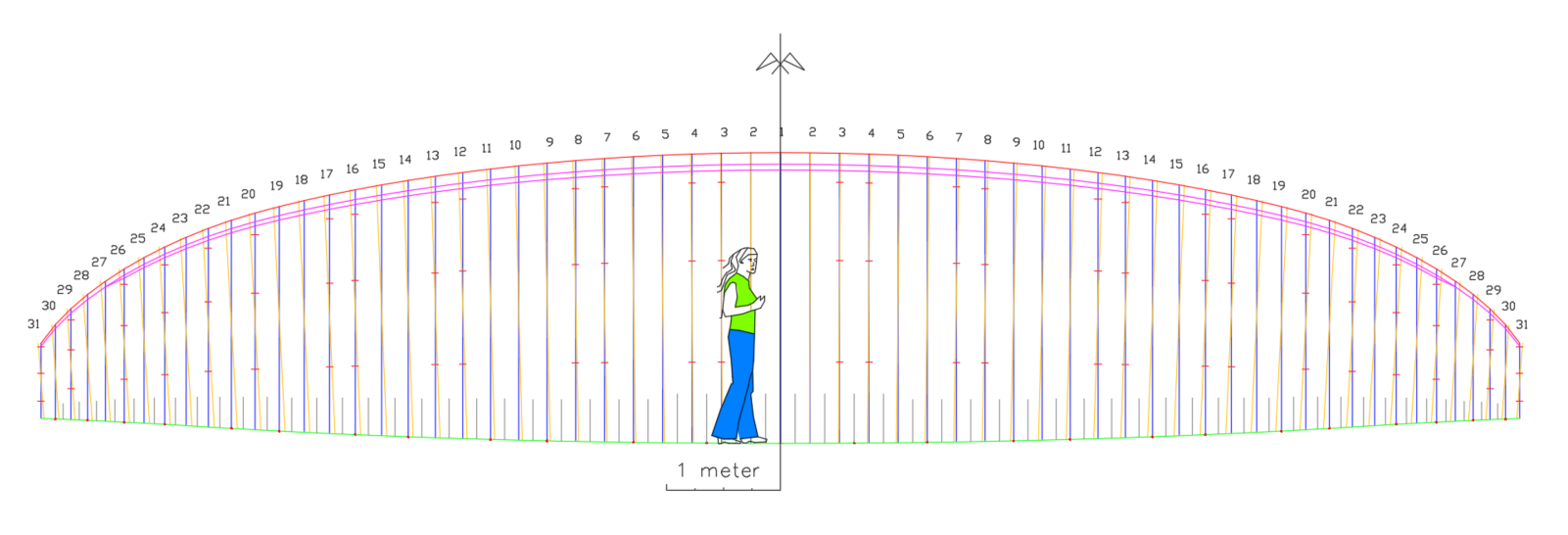
Figure 1. Planform


1. DESCRIPTION

gnuC2
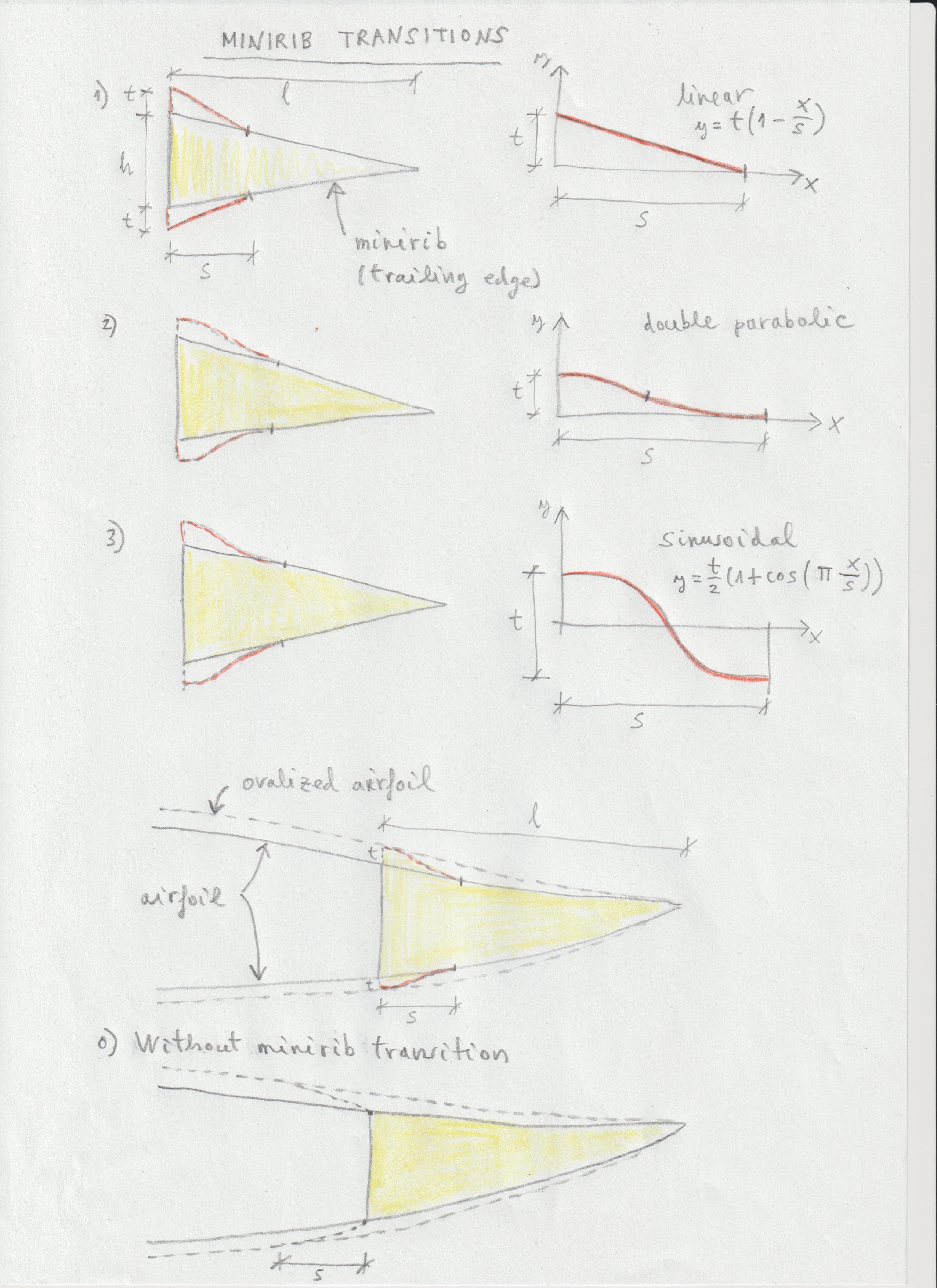
is a 60 cell, 6.25 aspect ratio, high performance paraglider, the gnuC successor. Incorporates the latest technical advances (shark nose, 3Dshaping, three rows of lines, reduced total length of lines, miniribs, z-axis airfoil rotations. The construction of this paraglider is not simple and involves a lot of work, as it has many parts and a complex internal geometry.

At first glance, gnuC and gnuC2 are exactly the same. But there are small changes that in theory should improve performance and stability. Here are the differences:

Feature
gnuC
gnuC2
airfoil
gnuC-c1.txt
gnuC2.txt Increase in points
from 161 to 169, same shape
calage
30%
33%
shark nose rods

defined automatically using lep-3.28 leparagliding.f
new joncs type 3 (upper and lower rod)
z-axis airfoil rotations
no
yes
VH-ribs

small width increase
in the extrados area
Rib holes
8 per rib
9 per rib, and better distribution


2. TECHNICAL DATA


Size
M
L
Flat area
25.22 m2
27.00 m2
Flat span
12.55 m
12.99
Flat A/R
6.25
6.25
Projected area
21.49 m2
23.01
Projected span
10.13 m
10.48
Flat A/R
4.77
4.77
Flattening
0.15
0.15
Cells
60
60
Airfoil
gnuC2
gnuC2
Line lenght
 -
304.92 m
Lines
3(A)+3(B)+4(C)
Risers
3 ( true tree-liner)
Mini-ribs (TE)
yes
V-ribs
diagonals type 1, 3, and 6
diagonals type 1, 3, 6, and 16

We are currently (April 2026) carrying out project checks and the L-size plans will be published in the coming days.
Data and output txt files: leparagliding.txt lep-out.txt Enjoy!


LAB NOTE: Build a paraglider at home is a very complicated task , and requires many hours of work. Previous experience is required, and very inventive. As always remember that: The free flight implies risks that can only be known and they can be controled with a suitable formation on the part of a recognized school. Not test wings without knowing their functioning. The construction and test of experimental wings without certifying requires deep knowledge of what is being made.